
Considerations for a goat shelter
- Ventilation
- Insulation
- Ease of access for cleaning and shoveling old bedding
- Adequate size for your breed and herd size
- Electricity
- Lighting(electrical or windows)
- Predator safety
Goat shelters can be as immaculate or simple as you like, as long as they provide the necessary shelter and a clean, dry & well ventilated environment for your goats. NOTE: “VENTILATED” means sufficient airflow, without drafts. You don’t want drafts.
Be sure to allow enough space for all your goats to comfortably shelter themselves. Crowding can result in the less aggressive goats being pushed out in weather by bossy herd mates, causing illness and stress.
The dog igloo houses work great as a basic shelter and are easy to take apart and clean. I suggest one igloo for each dwarf goat. Be sure to get the larger size.
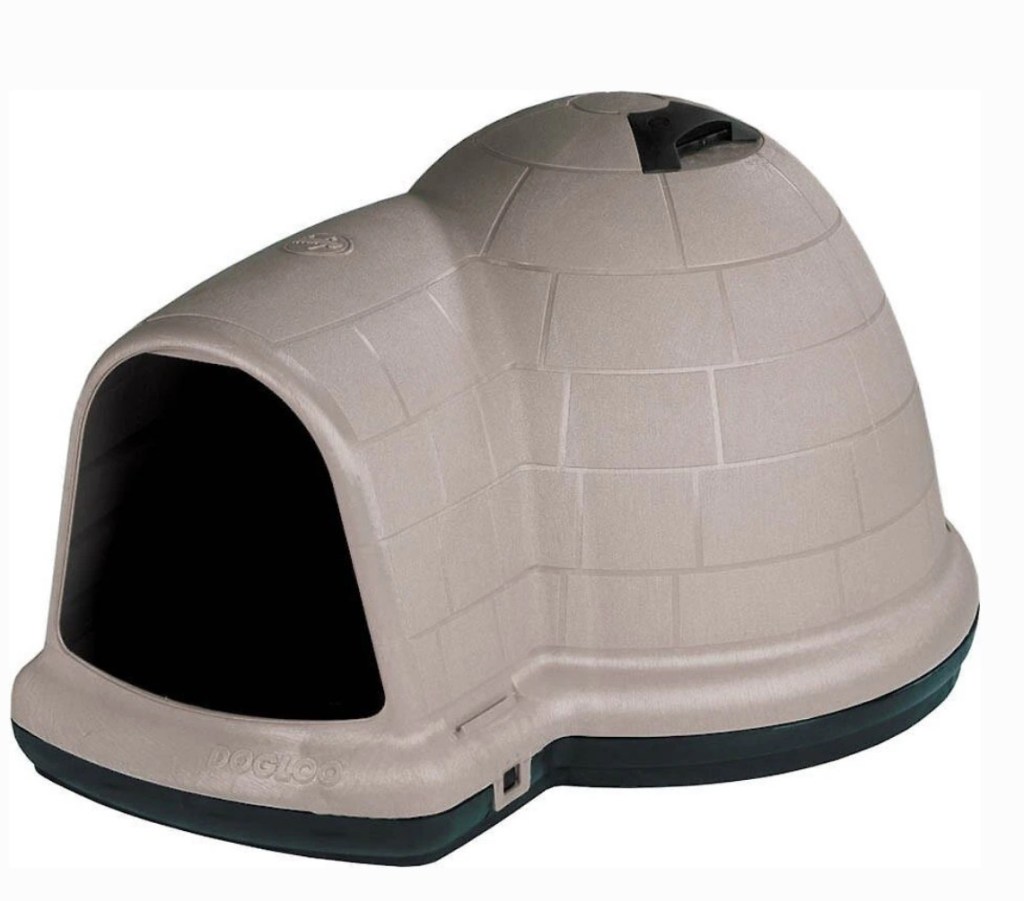
In negative temperatures, insulation is good though not necessary. Be sure to maintain adequate ventilation to avoid condensation and an overly humid atmosphere, creating opportunity for Pneumonia and frost bite to thrive.
If you’ll be having does kidding, you’ll need a larger shelter with a kidding stall for each doe if due dates are close together. You should have electricity wired into your shelter to allow for heat lamps, which can be helpful to nurture a stressed doe that may struggle to regulate normal body temperature after a hard delivery. Heat lamps also provide newborn kids with a cozy environment that will allow them to thrive in the early hours of life while still damp from birth. You might also prefer switching on a light during night checks for kidding season rather than carrying a flashlight.
It’s inevitable that you will need to clean up your goat pen and barn areas, scooping up wasted hay or old bedding and manure. Considering the roof-to-floor height and size of door openings with this in mind will save you from a back-breaking job, and you’ll be grateful that you planned ahead when you don’t have to crawl or stoop over to go inside your goats shelter and constantly bump your rake handle on the roof. Also remember to make your gates & doors large enough to accommodate your wagon or wheel burrow you plan to use for this purpose. If you’re planning a larger shelter, planning a skidsteer loader accessible entry door may be even more convenient and labor saving.
Dirt floors can work just fine, though they may become damp in wet conditions and be less desirable in very rainy climates. A layer of gravel under the top dirt or sand layer will help with drainage. Wood will eventually rot, and need replaced, but in the meantime is a great option, especially if using a very absorbent bedding such as wood shavings.
There are predators roaming the state and depending on your area you may struggle with bears, mountain Lions, wolves, foxes & especially coyotes. Here’s a webinarby Purdue University about predators and how to prevent losses. Predator proofing your goat shelter and locking them inside at night may be desired, or alternatively providing a very secure fencing option, though some predators will dig under a fence to get to your goats. Electric net fencing can help keep goats in and predators out.
For barn and milk house layouts, grab this helpful book Storey’s Guide to Raising Dairy Goats Get a used book cheaper at Thriftbooks! Non-affiliate links
 Aspen Leaf Dairy Goats