
Be diligent to know the state of your flocks, and attend to your herds…
Proverbs 27:23
Health
Because we have a small, manageable herd, we are able to raise our goats with lots of care and do our best to provide everything they need to thrive in their environment. We have a holistic approach to goat health and watch carefully for any signs of illness or stress.
Please note: As our farm management methods change or evolve based on experience and learning, this page will be updated to reflect our current management. Each year we grow and learn how to better care for our goats.
We try to keep hooves trimmed as needed(about every two months)to avoid overgrowth. Goats are provided shelter from the elements.
We are constantly learning about goat raising and we encourage others to learn what works for them. With each situation that presents, we gain some understanding…but so far we haven’t had many problems, therefore little experience in dealing with serious health issues in goats.
We will call on a veterinarian when needed, though we try to be a self sufficient as possible, utilizing goat raising handbooks and the shared knowledge of other goat raisers. We’ve referenced some of the helpful sources of info on goat raising we’ve found over the years on our Resources page.
Kidding doe and kid care
Does give birth in an insulated shelter(unless it’s warm outside) & often are given a heat lamp in their stall. Kids are handled multiple times daily to encourage friendliness and trust for humans and will likely be partly bottle raised as well. We make sure newborns get their mother’s colostrum within the first hours after birth as is necessary for lifelong health and vigor. We sometimes give Vitamin B Complex oral paste to help kids get up and get their appetites going and to does to help recovery and increase appetite. We give selenium and vitamin E oral paste when we see droopy ears or weak legs on kids and to the does to help recovery by replenishing their vitamins. We give the mother does molasses water right after birthing, and a sometime a deworming when necessary.
How We Raise Kids
We have tried different methods, starting with dam-raising our first year. As we have now learned, it can be hard to keep kids tame without extensive, time consuming attention daily from humans, so we have chosen to pull and bottle raise certain kids at times. We also bottle raise extra buck kids to be able to sell them as friendly pet wethers or bottle babies.
We raise goats to enjoy them so we don’t want wild, jumpy goats that won’t stand for milking, or run from us when we need to do routine hoof trims and health care. It just takes away the pleasure of goat raising, for us. So we bottle feed most often to make them friendly, likable companions.
We disbud all kids unless otherwise requested by our buyers. We believe that being hornless gives the goat its best potential for a healthy, happy life in a loving pet (or SHOW) home though we don’t judge anyone who wants horned goats and will leave horns on reserved kids if desired as long as we receive full payment at birth or before. Kids are all disbudded timely within 4-10 days usually, but we don’t guarantee that scurs won’t possibly develop on disbudded kids(especially on intact bucklings). We don’t enjoy disbudding and it is stressful for the kids, though they can bounce back pretty well. We are working to bring more polled genetics into our herd so there is less need for disbudding.
Weaned kids intended for breeding usually get grain to promote growth & rumen development(not pet wethers). For bucks, we may add ammonium chloride to the grain to help prevent urinary issues.
We vaccinate kids for CD&T at 4 weeks old, and follow up with a booster in 21-28 days as the label instructs. This vaccine can protect goats from common deadly diseases. Read more about these diseases here. We don’t always vaccinate pregnant does though it’s generally recommended, because the withdrawal time for milk is unknown. If you don’t want your reserved goat vaccinated, we understand and are happy to skip them.
We don’t routinely use conventional drugs, but we use them only as necessary to maintain a healthy herd. Our priority is to prevent parasites and disease as best we can through good management and nutrition.
We became FAMACHA certified to diagnose anemia levels and help detect blood sucking parasites with the goal of selective treatment, avoiding unnecessary worming which can lead to drug resistance. Admittedly, I don’t use this method as much as I initially thought I would. More famacha info on our resources page.
We try to keep up on the latest parasite research and deworming recommendations on the wormx.info site, though we don’t always agree with the conventional methods they recommend.
Animals lacking vigor or the ability to lead a healthy, normal life even after we have done all we can to help them, will be treated well and cared for until humanely culled or retained as a non-breeding pet. We don’t want to reproduce or sell weak genetics. We respect the life of every animal and treat every one with kindness and consideration for their best future.
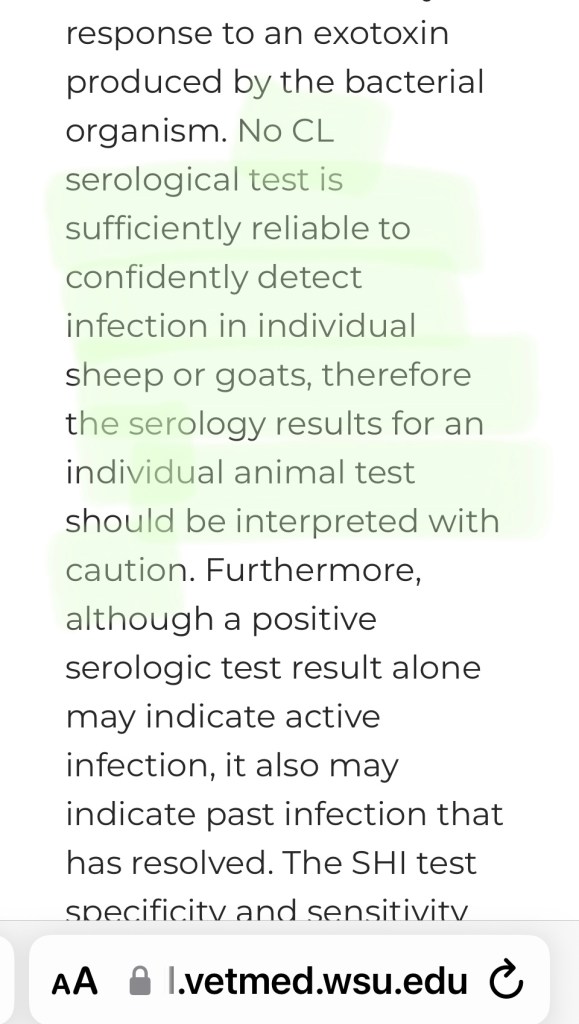
We blood tested in 2021 and our herd tested clean. We have not tested since, though we may do more tests in future on occasion if requested. Blood testing seems to be a money pit, and we try to be good stewards of our resources. We are very careful when adding new animals only from clean, heathy herds with similar biosecurity standards to ours. We do not offer our bucks for breeding services to outside herds, though we may make a rare exception to that rule if there are no biosecurity risks(learn more on the buck page). We have not had any suspicious abscesses or illnesses in our herd that would indicate symptoms for any of the concerning goat diseases. Since there’s questionable accuracy and reliability of many of the blood tests, we struggle to find real value in blood testing. I believe negative blood tests can provide a false sense of security, and that testing is not necessarily a reliable way of detecting disease.Test results that we may have done anyway will be shared on our health page. We are very confident our goats are all very healthy and free of any disease; testing would be done only to satisfy buyers who wish to have documentation and “proof” of a clean tested herd.
A righteous man regards the life of his animal,
Proverbs 12:10
But the tender mercies of the wicked are cruel.”
Record Keeping
We use a spreadsheet in Apple Numbers (see an example on our Goat Health page)to keep track of vaccinations, hoof trimmings, illness, etc. Each individual goat has their own health profile, and we also have a General Journal for herd management recording. We believe good record keeping is important.
When the hay is removed and the tender grass shows itself, and the herbs of the mountains are gathered in…you shall have enough goats’ milk for your food, for the food of your household…”
Proverbs 27:25 & 27a
Feed and Mineral
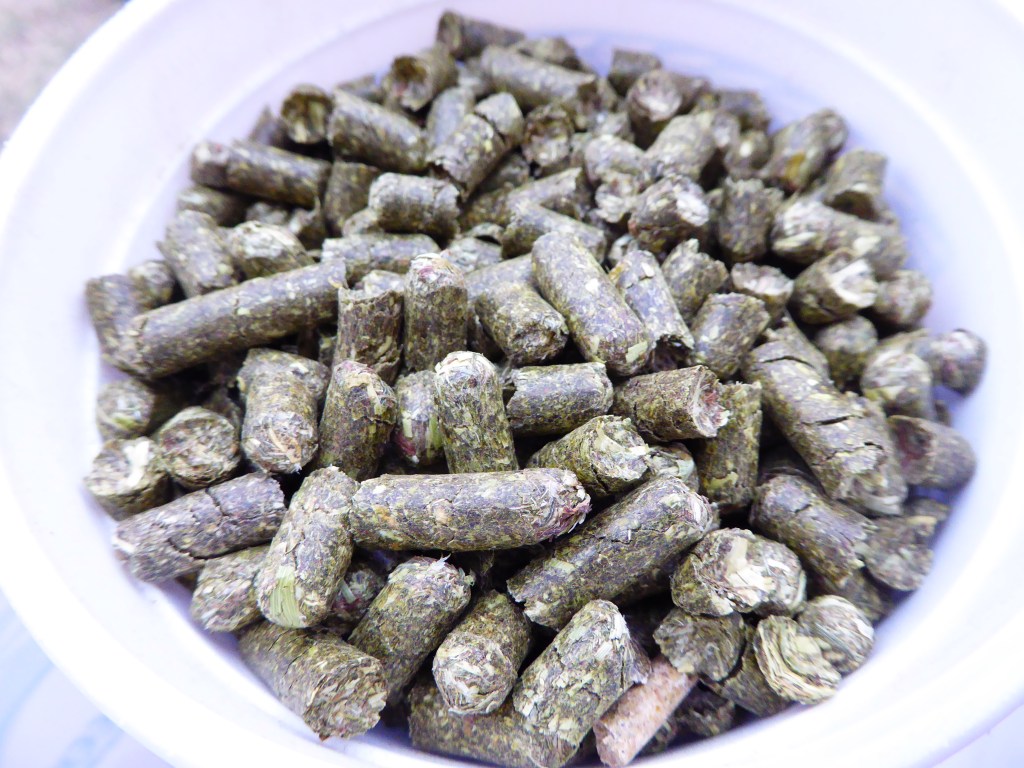
Our goats’ main feed is high quality hay in raised feeders, usually a mix of alfalfa and grass. We don’t currently have pasture for the goats, so they are primarily fed hay year round. We feed a little grain at times to help with body condition during weaning and milk production, but their main feed is hay available to them 24/7 and occasionally Timothy or Alfalfa pellets if the hay quality is lower than desired. Here’s a good read > What To Feed Your Goats
We supplement at times with Selenium and Vitamin E oral paste and copper bolus as needed. We have had good success in preventing deficiencies offering Payback loose mineral free-choice paired with our routine and occasional health supplements.*kids may over consume loose mineral in toxic amounts, so please use caution and consider using block minerals instead for kids or simply top dress their feed occasionally with loose minerals.
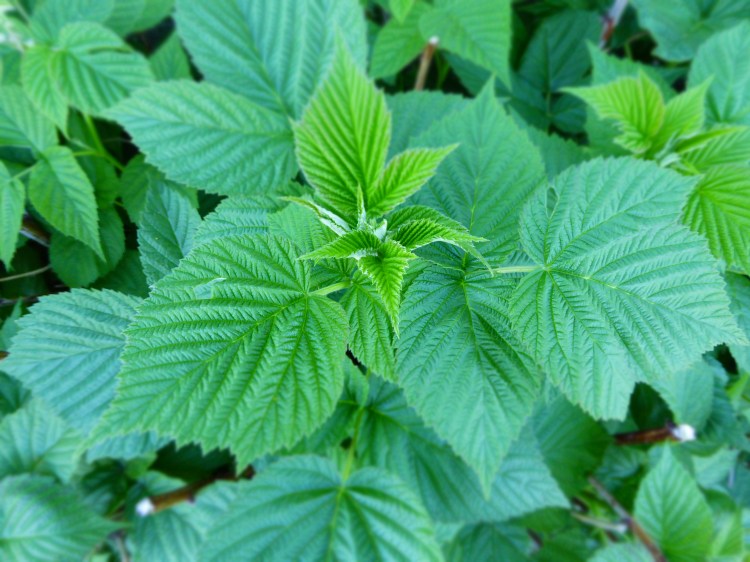
Sometimes we offer the goats fresh tree branches(especially willow and short needle pine), fresh alfalfa, fresh raspberry leaves, fresh herbs; all these things help add variety and natural minerals into their diet as well. We find that especially in springtime after kidding and when they are shedding their winter undercoat, they really slick up the minerals. Summer to early winter, not so much, be we still offer them free choice year round.
Here’s some info about mineral deficiencies and their symptoms from Weed em and Reap . More about minerals > Mineral 101.
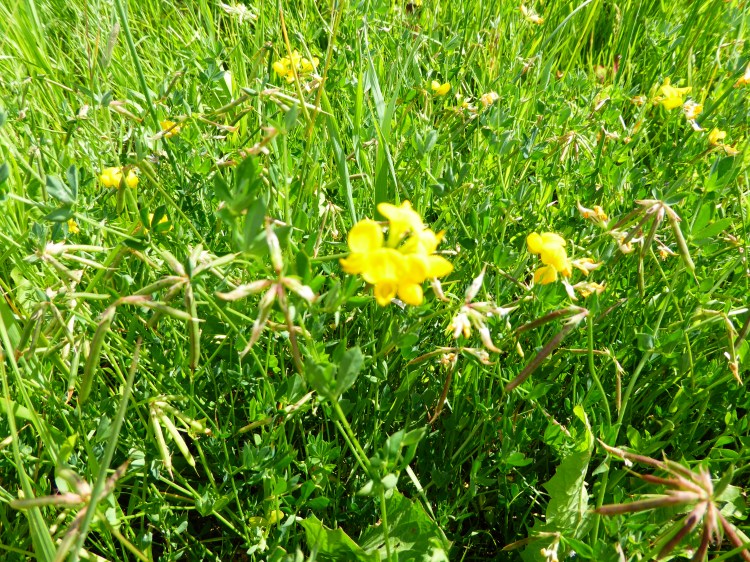
We sometimes incorporate condensed tannin(CT) hay crop plants into our goat’s diet to naturally help prevent worms and GI parasites. Two condensed tannin forages that will grow in our region are Sainfoin and Birdsfoot Trefoil, though not easy to come by.
Interestingly, pine bark is believed to be a helpful parasite and coccidiosis preventative. Our goats love chewing on pine branches, so we offer some when we can.
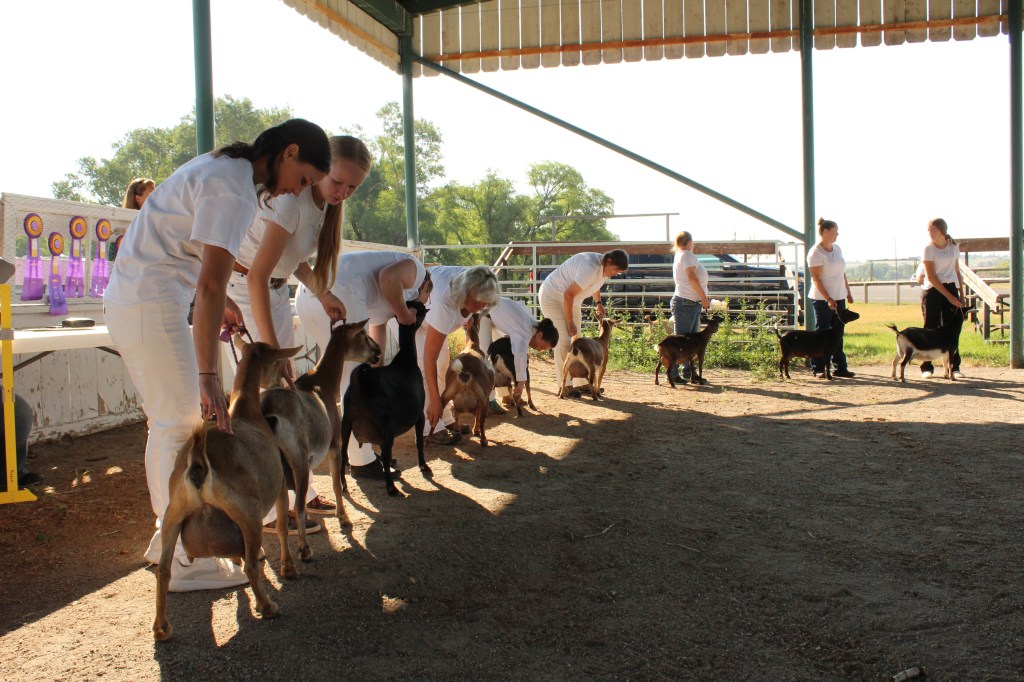
SHOWING
I have attended the local show in Big Timber a few times and really enjoyed the thrill of showing one of our goats as well as helping someone show her goats, though I was very paranoid and careful about letting my goat get too close & social with other goats and actually tied her in the stall so she couldn’t muzzle up to the goats in the neighboring pen. It’s just not worth showing to take any health risks with my herd.
At this point I don’t have enough time and freedom to devote to showing much. Though it is our goal to breed high quality show lines worthy of GCH statuses, these designations will likely be earned only by goats we sell to showing homes. No doubt many of our goats will go unnoticed and live outside of the spotlight as common homestead milkers, unrecognized for their actual potential. But we think quality is important even for the humblest of little goat farms. We hope to keep the Nigerian breed pure and true to it’s best qualities by selecting breeding stock of the finest genetics so it can only improve. Our goats aren’t perfect, but we work towards our goals with each breeding and try to improve each line where it’s lacking.

Our Goal
Our goal is to breed sturdy does that will milk well for many years, have easy to hand milk udders, and also be competitive in show for the same reasons. The ADGA SCORECARD states “The goal of the Unified Scorecard is to aid in the selection of the type of dairy goat that can function efficiently over a long productive lifetime.” We strive to breed to the breed standard for the Nigerian Dwarf and with consideration for the scorecard on how a functional, well structured dairy goat should be. We are learning more every day about what truly makes an excellent dairy goat. We whole heartedly believe that show quality and milk production go hand in hand, and essentially require the same qualities to make the ideal dairy goat.
We would like to participate in Linear Appraisal, but in our remote area it is not always possible for ADGA’s few appraisers to accommodate LA requests. I also wouldn’t have enough animals to meet the minimum requirement for an LA session with our small herd.
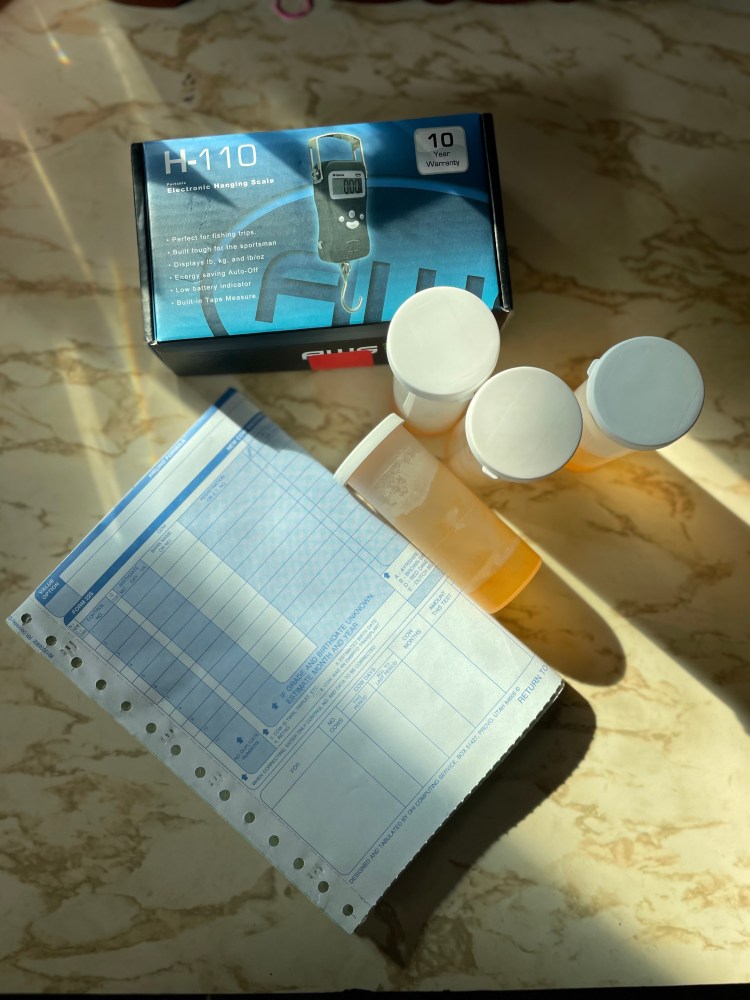
Production Testing
We participated in DHIR for some years, but have decided it isn’t for us.
We enjoy milking our goats and tracking their production by weighing their daily milk at times, but we don’t need fancy pedigrees to “prove” what they can do. We still strive for excellent quality & production, just without the bells and whistles.
The milk
We use the milk at our table for drinking fresh, for cooking and occasionally attempt to make some cheese. We only ever have a few does in milk at once, so we don’t get overrun very easily, but if we do, we use it to feed our bottle calf, share some with the outdoor cats, the dog, and we’ve even discovered that the chickens love to drink fresh warm milk, especially in the winter. Of course, any milk that we can use, we certainly try to make the best of before feeding it to the animals but as a last option to avoid waste, these are easy ways we can use it up.
We choose not to sell raw milk for other’s table use mostly because we just don’t want to start a milk business or milk that many goats, but also, state law requires milk sample testing for coliform, standard plate & Somatic cell counts every 6 months and brucellosis blood tests, so we don’t really enjoy paying those expenses and going to all the trouble for the small quantity of milk we could sell anyway from our small herd. Here’s more info about Montana raw milk law.
Please note: As our farm management methods change or evolve based on experience and learning, this page will be updated to reflect our current management. Each year we grow and learn how to better care for our goats.
🌿🪴an update on herbs ~ I have always wanted to do what’s best for the goats and have tried to nurture their health rather than to over-medicate as can be common practice with conventional methods of raising livestock.
I have primarily used herbs for my first 5 years of goat raising, and have now found that for treatment of disease and deworming, herbs alone don’t work for me. While I still use some herbs, they are no longer my primary care protocol. I have tried different herbals and even my own fresh herbs at times and have found that they are very costly, much less effective in my case and much more labor intensive to administer(plus, the goats hated them).
While I’m not typically conventional, I have learned to appreciate the science of drugs developed to help with issues when they arise. I am very cautious of over-medicating and excessive drug usage, and still strive to stay as natural and simple in my goat raising as possible while still maintaining a healthy herd with selective treatment.
I strive to tend to my goats’ health well by keeping their space dry and clean, feeding quality hay, grains and minerals, and managing them in a way that they can thrive in a low stress environment with lots of care and attention. Medication is only used as needed, not routinely, and with lots of caution. After having mixed thoughts on vaccination over the years, we’ve come to believe it is truly effective to vaccinate for CD& T and doing so can help us avoid losses.
“Does the plowman keep plowing all day to sow? Does he keep turning the soil and breaking the clods? When he has leveled it’s surface, does he not sow…For He instructs him in right judgement, his God teaches him….Bread flour must be ground, therefore he does not thresh it forever…This also comes from the Lord of hosts, Who is wonderful in counsel and excellent in guidance.”
Isaiah 28:24, 25a, 26, 28a, 29 NKJV
~Uncredited photos on this site are owned by Aspen Leaf Dairy Goats and my be used if credited to Aspen Leaf Dairy Goats. You may NOT use otherwise credited photos, logos or images on this site without their owner’s permission.~
 Aspen Leaf Dairy Goats