
please note: this information is specific to dwarf goats and is not for standard sized goats. Disclaimer: I’m not a veterinarian. I’ve been raising goats since 2020, and these suggestions are based on my experience and preferences after reading advice of others and trying different things. Please research and find out what works best for you and your goats.
If you’ve purchased goat kids already on a bottle, you can skip ahead to SUPPLIES, BOTTLE FEEDING & the feeding schedule. For more details on training baby goats to take a bottle and the “why’s” behind bottle feeding, keep reading.
Some reasons for bottle raising
Rejection– Sometimes kids will be rejected by their doe, and you’ll have to step in right away and bottle raise them. If you’re hoping to dam raise, be patient and try holding the doe at first so kids can nurse to see if she gets used to the idea and accepts them after all, watching closely. Rejecting kids is most common in first time mothers, especially if they had a very hard time with delivery. Giving her time to get used to them can help, and being sure to let her bond well with the kids right after birth and lick them off.
Not enough milk- With larger litters, sometimes a doe won’t make enough milk to satisfy all the kids, or stronger kids(especially males) will push off siblings, not allowing them to get enough. In this case it’s often best to just bottle raise one or two of the kids from the litter, or try Combination Dam & Bottle Raising(Hybrid Method – by Weed ‘em and Reap farm)
Disease– Disease prevention is a common reason to bottle feed. Raising kids apart from adult goats lowers their exposure to parasites, illnesses & diseases they can pick up in their environment or even through an infected doe’s milk. Arguably, exposing healthy goat kids to adult goat environments(raising together)can potentially build a great immune system as long as they handle it well, so I am not necessarily advocating for separate raising, but for some, it can be the better way depending on certain factors and weather conditions.While bottle feeding, you can easily add coccidiosis prevention medication to their daily bottles as well.
Milking the doe sooner– If you desire to begin milking the does immediately, you may choose to replace the doe’s milk with a powder formula to raise kids.
Selling as bottle pets – Baby goats should be trained to the bottle before being sold as bottle pets. Getting them into a bottle feeding routine prior to sale will help them thrive better as they transition to a new home.
To protect the doe’s udder from aggressive nursing – Some kids, especially bucklings can cause udder issues from constantly tugging and butting the udders. Sometimes it’s a grace to the doe to pull and bottle raise these pushy little stinkers.
Avoiding kid injuries- A good mother doe won’t let other babies suck on her. She smells them every time they come to nurse to make sure they are her babies. If they aren’t, she will walk away and stamp her legs to kick off the intruder. Some does will even become dangerously aggressive to baby goats who try stealing milk. They may shove them very hard against a fence, feeder or barn. Babies can also get hurt by jumping into hay feeders, and being shoved between the bars while mother does are feeding.
Friendlier baby goats – While I don’t believe you always have to bottle raise to have approachable babies, it can help with ones that seem skittish and don’t want anything to do with you.
It can be time consuming to sit out with the does and kids to ensure enough human interaction for them to be friendly and trusting. Bottle feeding can be simply for convenience sake when you don’t have extra time to socialize with your baby goats. When bottle fed, they begin to associate you with mealtime, and they’re in your pocket from then on. It takes a lot of time to bottle train initially, but then it’s a breeze and lots of fun to have happy little babies run up to you for their dinner times.
Goats that avoid people can be frustrating and annoying, and for me it takes away the joy of having them because they clearly care less about you and would rather be left alone.
Goats that aren’t used to being pet will twitch and move away instead of stretching their neck out and leaning in to your scratches with delight. I should mention that in my experience, some goats are just born to love scratches and others are more sensitive to touch and won’t take as much pleasure from petting. They each have their own personality that makes them unique.
*What age to start them on a bottle(if you didn’t buy them already trained)
After a kid gets used to nursing its mom, it will get harder to get them to take a bottle with each passing day that you put it off. It can be impossible to make some two week old kids accept a bottle at all. Beginning from the first week of age is your best window to establish a good bottle feeder, and I suggest being present for birth and getting them introduced to a bottle in the first 12 hours after birth when their ready to suck on anything. Make sure to use colostrum, not milk in the first three days. After they learn their Mom as the only way to get food, it’s hard to get them on a bottle and more stressful for them and you. Each goat is unique and some start a bottle easier than others, but don’t wait any longer than a week to introduce a bottle if you can.
They will likely need to be separated from the doe for a few hours, so that they are hungry when you try a bottle. If they don’t take the bottle well, wait a few hours and try again when they are hungrier. However, make sure you aren’t shorting them of their needed colostrum in the first, crucial hours of life. This is very important! Some kids are more stubborn and take quite a few tries and a whole day or two to even consider sucking the bottle. If they learn you will just put them back with mom after they fight the bottle, they will fight you harder every time. They have to be a little hungry, otherwise they won’t get the idea and they should not be able to see their mom. Watch how to start new babies on a bottle with Blue Cactus Dairy Goats video
Supplies for Bottle Feeding


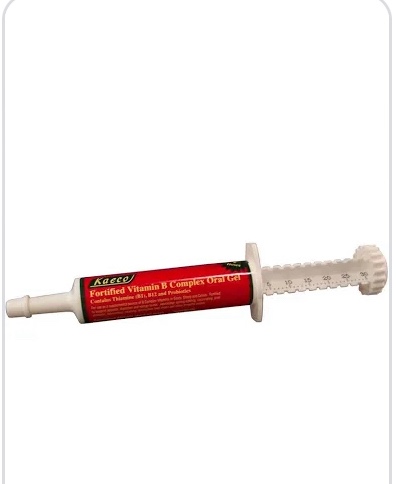
Bottle Feeding
*The milk must be fed warm
*If you miss a feeding for any reason, just give them their normal ounces per feeding when you feed them again. NEVER give them extra to make up for a missed meal.
The schedule below is just a guideline for feeding. Please watch your goats carefully and get to know them. Some grow faster and may thrive on a little more milk than average, but be very careful of giving large portions. Watch carefully for any signs of bloat or irregular poop.
Please understand that all bottle raised kids will often act hungry even after receiving their bottle. You MUST NOT keep feeding them beyond what their stomach can take for one feeding, or they can develop a serious bloat condition and die quickly. Pay attention to your baby goat and notice how he looks and acts. You can also feel how full they are or aren’t by placing your whole hand under their stomach and lifting to feel if they have a slightly rounded, tighter stomachache, or a loose and empty feel. This test is best done both before and after feeding so you know how they felt empty to compare. Their stomach shouldn’t be really tight, just noticeably full. If they still feel empty, consider feeding him more often, rather than more ounces per feeding. I prefer to feed every 4 hours for a total of four feedings a day when they’re very young(0-2 wks). Try to be consistent as much as possible with feeding times.
When raised on their mothers, baby goats will nurse very often in small amounts. You want to stay as close to their natural habits as you can without being unrealistic because I understand it can be hard to keep a frequent feeding schedule. Whatever schedule you decide works best for you and your goats, be as consistent as possible. Make any changes gradually.
Feeding Schedule
1 week old = 2-4 oz per feeding every four hours during the day(16 oz total per day) Example schedule:
7:30am/11:30/4:30/8:30pm
2 weeks old = 4-6 oz per feeding 4 times daily (16-24 oz total per day)
3-6 weeks old = 6-8 oz per feeding four times a day. If you want to switch them to three feedings a day, you may slowly work them up to 8-12 oz a feeding. (24-36 oz per day is the maximum daily milk I would recommend at this age.
6-8 weeks old = You can go down to two feedings a day at this point as they’re eating more hay and drinking water and able to consume 12-16 oz per feeding.
8-10 weeks old= reduce to one 12-16 oz bottle a day, but they are of weaning age if eating plenty of hay, though you may choose to keep bottle feeding.
10-12 weeks old = You may still give one 12-16 oz bottle a day, or wean them completely. I suggest giving the bottle in the morning since they’re less likely to already be full from eating hay all day.
Mixing the milk
I use Country Companion goat milk replacer when fresh goat’s milk isn’t available from our goats.
If you buy fresh goat milk from a random person, you risk giving your babies CAE, Johnne’s or other diseases that are in milk from infected goats. This is why I recommend the powder to anyone who doesn’t have their own fresh goat milk.
*Many goat people discourage the use of powder formula saying it’s bad for the goats… I haven’t found it to cause any health problems when mixed correctly and fed on a schedule to meet the goat’s daily nutritional needs. It must be the correct water to powder ratio, so please carefully read & follow directions. If you mix up more than needed for one feeding, you can refrigerate it and re-heat to use next feeding. Keep moisture out of the powder while storing to prevent souring.
**I have been told by another breeder and read the same advice from other farms, to bottle feed store bought pasteurized whole cows milk. I have a few problems with this advice. (1) I tried transitioning bottle kids onto whole cows milk last spring to just see how they did, and they were more prone to bloating up, not severe bloat, just noticeable pot bellies. (2)milk from the store that has been homogenized and pasteurized is hard to digest. I would be willing to try raw cows milk from healthy cows for my baby goats, but I just don’t believe that store milk is good for them at all. Powder goat milk is formulated with all their needs in mind, including probiotics and higher fat than cows milk. In my opinion, it is much better for them than store milk, possibly even more economical price wise. I’ve raised several kids on formula the last two springs, and they did not have pot bellies or appear to have any less growth than my kids being raised on their does. Over feeding(too many daily ounces) or incorrect mixing of powder formula can cause issues, so care must be taken.
*I don’t recommend coccidiosis prevention routinely. However, if you notice diarrhea or other signs of coccidiosis, I have found CORID to be an effective treatment and prevention when used carefully and dosed exactly by weight. It’s readily available at most farm stores as an over-the-counter drug. USING CORID(always follow label instructions): a treatment dose is given 5 days in a row, and during that time I would also give the prevention dose to other kids sharing the same pen with sick kids for the same 5 days, unless more diarrhea occurs. I’m cautious of over using CORID or any other drug and would only suggest it for temporary treatment in bottles or as a drench when treatment is needed. I would not add to their drinking water as the label suggests as an option because baby goats on bottles don’t consume a reliable or measurable amount and may not get enough. DRENCHING or adding to milk bottles in exact-by-weight doses is best in my opinion, and only for a short treatment period rather than the extended 21 day prevention protocol.
Helping them thrive
I highly recommend that you give your bottle baby a friend. A sibling is awesome, but any two kid goats of the same age will help eachother thrive, and eliminate separation stress as well as give them a snuggle buddy to keep warm.
Never offer grain free choice. I suggest grain only as a small treat out of your hand, or not at all. Not repeated handfuls, just one small palmful. Grain can be dangerous because they’ll over eat & can die within a few hours.
It’s important to have hay available to them from a week old, though they won’t eat much of it yet. Have fresh water available to them as well but make sure they can’t fall into buckets and drown. The sooner they start eating hay the better, even while on bottles.
A quality first cutting grass/alfalfa mix hay is excellent for growing kids and is what we prefer to use. If grass hay is all you can get, I suggest feeding a small daily portion of grain as well to doe kids or bucklings intended for breeding, but not to wethers. Offering grain can also help encourage rumen growth and development in kids, positively impacting their lifelong feed conversion and efficiency. You want your goats to develop a nice depth of barrel, rather than stay lean and lanky. This I believe also contributes to a goat’s strength and ability to withstand long, productive lactations as mature animals and good parasite resistance. Probios oral gel may be a rumen boosting option for wethers if desired since they shouldn’t have grain.
Minerals ~ your goats will eat better and consume more water to stay healthy when they have minerals free choice and can eat some when they need it. It has salt, which all livestock animals need, as well as goat specific minerals that are necessary for their health. Goats can easily become deficient of minerals, so keeping a fresh supply of free choice minerals is important. * kids can easily over consume loose minerals in toxic amounts, so I suggest a goat mineral block until they are older. If loose mineral gets rained in, replace with fresh, or keep it in the barn or shelter out of weather. Unless you’re raising them together with sheep or other farm animals, be sure to buy GOAT MINERALS. Sheep mineral doesn’t have enough copper for goats, because to the sheep it would be toxic. If your goats are salt hungry they may over consume minerals, so it’s good to offer salt as well and always monitor their intake. *Never feed grain in the same tub as your minerals or the kids may over consume the mineral since they associate this tub with food, and their competitive nature to get the goodies first can cause them to gobble up way too much mineral.
Just to clarify how over-consuming milk can occur, here’s an example; If a mother a baby goat get separated for too long, the baby goat is then so hungry he is greedy and eats way faster and longer than he would with a normal hunger, and the milk overflows in his stomach to another chamber in his gut, where it then creates gasses and bacteria growth that bloats him to death pretty quickly. This is why we feed small portions frequently rather than large portions less often when bottle feeding. The CDT vaccine can give them immunity to prevent this condition from being fatal.
Disease concerns
It’s important to also be aware of possible diseases that are common in kids. You should learn how they can become ill and when they are more susceptible.
Pneumonia and coccidiosis are ones to watch for. You should research the symptoms for these and know your options and have a plan before faced with a problem. More info on Coccidiosis from wormx.info.
Kids that are already in any type of stress are more susceptible. Keeping them warm, clean, dry, well fed and comfortable will help keep stress levels low.
Pneumonia is commonly caused by rapid or constant weather fluctuations.
Coccidiosis is a parasite that lives in the soil and inside your goats and thrives in wet weather. Keeping their living space dry and clean, feeders and waterers free of manure, and avoiding crowding is important. I have little experience with coccidiosis so far, but Fiasco farm has some helpful information and treatment suggestions for coccidiosis and I recommend reading her article.
I’ll add for newborn nigerians, hypothermia is a big concern when born in cold weather and not provided with a heat source. They are very delicate and chill quickly. My newborns have heat lamps almost always.
Weaning
I prefer to bottle feed until 10-12 weeks depending on the kid, but many say 8 weeks is fine. Thrifty Homesteader offers some ideas on deciding when to wean.
After they’re at least 8 weeks old, whenever you feel your baby goat is ready to wean, you may decide to just stop giving them their daily bottle, or gradually decrease their bottle ounces daily to half first, then stop. This way they start eating more to compensate for less milk, and it’s a gentler transition for their systems. You may consider giving a probiotic during this transition to help boost their immune system.
Another way I sometimes will try to help lower the stress of weaning is to keep bringing them a daily 1/2 bottle of warm electrolyte water instead of milk. This way they think they are still getting their bottle and won’t stress over that part of it as much, and eventually they realize it doesn’t fill them up and begin to not even want it after while.
An added benefit of keeping them on a water bottle for a little while is that if they do start showing signs of sickness from weaning stress, you can easily administer medicine in the bottle to help prevent or treat coccidiosis which often can bloom during weaning. Electrolytes are great to help keep them hydrated, especially if they get diarrhea. More info about coccidiosis can be found here at Fiasco Farm.
Conclusion
I hope these suggestions are helpful as you raise your bottle babies, but as mentioned before, it’s very important to watch your goats and adjust the schedule to fit their individual needs. You must be attentive and vigilant to help your baby goats thrive and grow.
More articles by others on Bottle Feeding baby goats >
Weed ‘Em and Reap (combination bottle and dam raising)
🌿🪴a note about herbs ~ I have always wanted to do what’s best for the goats and have tried to nurture their health rather than to over-medicate as can be common practice with conventional medicine.
I have primarily used herbs for my first 5 years of goat raising, and have now found that for treatment of disease and deworming, herbs don’t work for me. I have tried different herbals and even my own fresh herbs at times and have found that they are very costly, much less effective if at all and much more labor intensive to administer(plus, the goats hated them).
While I’m not typically conventional, I have learned to appreciate the science of drugs developed to help with issues when they arise. I am very cautious of over-medicating and excessive drug usage, and still strive to stay as natural and simple in my goat raising as possible while still maintaining a healthy, vigorous herd.
Overall, I strive to tend my goats well by keeping their space dry and clean, feeding quality hay, grains and minerals, and managing them in a way that they can thrive in a low stress environment with lots of care and attention. Medication is only used as needed, not routinely, and with lots of caution. We also vaccinate for CD&T to help prevent some common and often fatal diseases.
 Aspen Leaf Dairy Goats