
*please note: this information is specific to dwarf goats and is not for standard sized goats. Disclaimer: I’m not a veterinarian. I’ve been raising goats since 2020, and these suggestions are based on my experience and preferences after reading advice of others and trying difference things with bottle raising goats.
Whatever the reason for the doe not being able to care for her babies, in this article I assume you have newborns that won’t have their mother around and will need your full care from the beginning. Kids being raised with their doe and only bottle fed part-time will not need the same ounces, and will hopefully get the colostrum from their mother as is best. Combination raising may prove hard with kids who have free access to their doe, so separating to bottle feed will be necessary to be sure they’ll take to the bottle.
Newborns – a newborn goat must have colostrum, the first milk that contains necessary antibodies and nutrients essential to lifelong health. If they are not able to nurse from the mother within the first few hours after birth, they should be bottle fed or tubed with a powdered colostrum replacer mixed according to package directions, or even better, fresh or frozen goat colostrum. The colostrum package may not have instructions for dwarf goats, so be sure NOT to portion for standard sized goat kids. Never exceed 4oz per feeding for newborn dwarf kids. Tubing should be a last resort, and every effort made first to get them to suck a bottle, because this will ensure the milk goes into the correct stomach. There is also risk of tubing milk into the lungs and drowning them. Make sure they are warm before feeding them, or they may not be able to suck or digest their food.
Their stomach is small and designed to nurse often and in small amounts. A newborn will likely only want 2-3oz at a time, and gradually work up to 4oz per feeding as they get stronger.
Newborns need fed at least four feedings daily of 2-4 oz per feeding, totaling 12-16 oz per day.
A newborn should be okay going overnight without a bottle if they’ve been taking the daytime feedings okay and got in at least several good feedings in the first hours of life. If you question whether they have got enough, a night feeding may be a good idea for smaller or weaker newborns, but most healthy babies can go overnight without a feeding. You just want to be sure they got plenty of colostrum in the first 12 hours of life.
I haven’t had to use powder colostrum yet, so I am not sure what the recommended amount or number of feedings are, but certainly don’t give more than 4 oz at a time and they’ll likely only take 2oz at first. In the ADGA posted article DAIRY GOAT MANAGEMENT SEASONAL TIPS AND TRICKS, they suggest the following- “Give 10% of kid’s body weight within 18 hours of birth (e.g., 13 oz. for an 8 lb. kid)” -obviously a dwarf kid should not weigh 8 lbs, this example was given with standard sized goats in mind, though 10% body weight may be helpful in figuring the ounces for your baby goat. Detailed colostrum feeding amounts on The Giving Goat Blog’s post on Avoiding Losses: Saving Goat Kids
Once they have received the package recommended amount of colostrum replacer(convert for dwarfs if it doesn’t include them on the instructions) over the first day or two of feedings, switch to fresh goat milk or a powder goat milk replacer. Be very precise when mixing powder with exact measurements of liquid and powder, otherwise you can cause constipation or diarrhea. FEEDING SCHEDULE
I highly recommend that you give your bottle baby a friend if separated from their doe. Any two kid goats of the same age will help eachother thrive, and reduce separation stress as well as give them a snuggle buddy to keep warm.
Older bottle kids
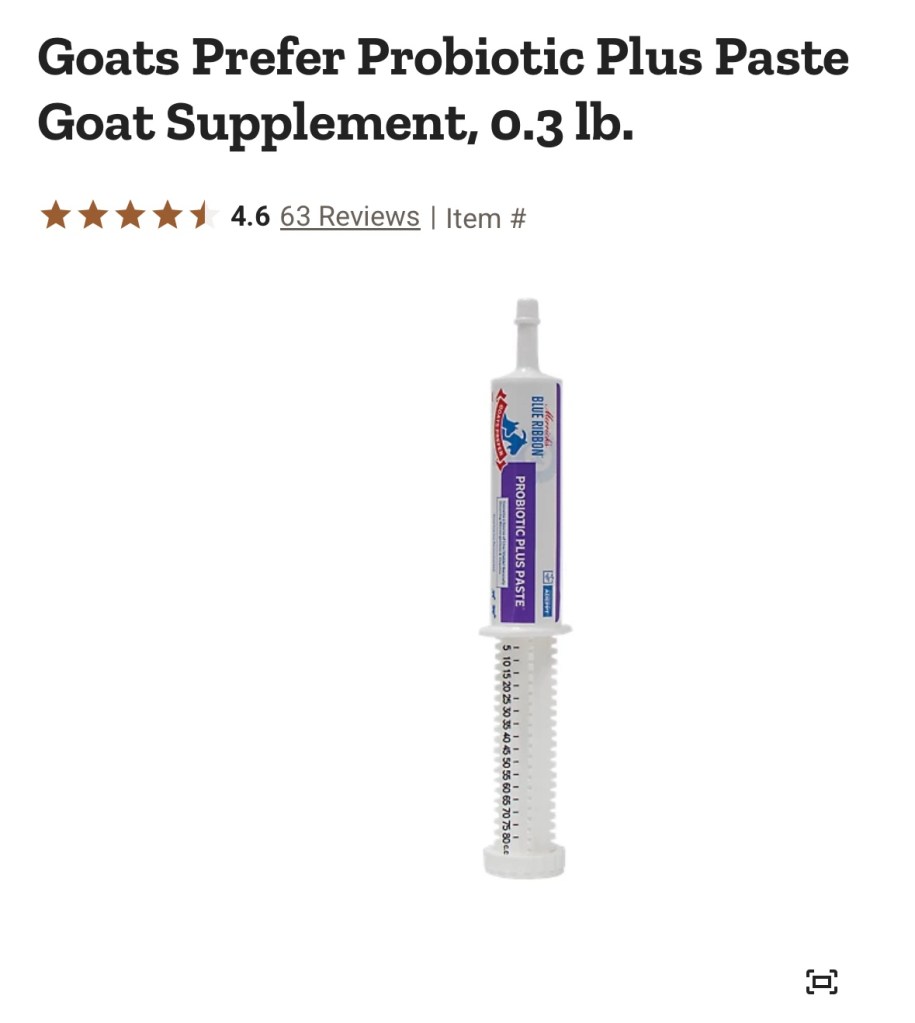
By the time they’re a month old they may be taking 12-15 oz per feeding depending on how often they’re fed and how much you have gradually increased their daily ounces, though by this age you want them to be eating hay and a little portioned grain to goats intended for breeding to encourage rumen development(probiotic paste for wethers to boost rumen if desired, but not grain ). Never offer grain free choice, it can be fatal if they overeat grain and they can die within a few hours. From week one it’s best to have hay and water available to them so they can start eating roughage as soon as possible.
Please understand that all bottle raised kids will often act hungry even after receiving their bottle. You MUST NOT keep feeding them beyond what their stomach can take for one feeding, or they can develop a serious bloat condition and die quickly. Pay attention to your baby goat and notice how he looks and acts. If he has sucked in sides and does not seem to be getting enough, consider feeding him more often, rather than more ounces per feeding. For example, every three hours instead of four. I prefer to feed every 4 hours for a total of four feedings a day when they’re very young(under a month).
When raised on their mothers, baby goats will nurse very often in small amounts. You want to stay as close to their natural habits as you can without being unrealistic because I understand it can be hard to keep such a schedule. Whatever schedule you decide works best for you and your goats, be consistent. Make any changes gradually. Three feedings a day can be enough once they are a week old, and eventually work down to two feedings, but like I mentioned before, frequent feeding in smaller portions is always best, and when feeding less often you risk not giving them enough nutrition daily, because you can’t give them a large enough meal for their daily needs in just two feedings without running high risk of bloat. Once they’re eating plenty of hay, you can go down to two bottles a day with more confidence that their nutritional needs are being met.
Feeding Schedule
Newborn-3 days old– feed colostrum only in 2-4 oz feedings starting as soon as their born, making sure they get at least four feedings of colostrum in the first 12 hours of life, but more feedings may be needed depending on how many ounces they take at a time.
1-2 weeks old = milk 4 oz per feeding every four hours during the day(16 oz total per day) Example schedule:
7:30am/11:30/4:30/8:30pm
3-6 weeks old = 6 oz per feeding four times a day. If you want to switch them to three feedings a day, you may slowly work them up to 8-12 oz a feeding. (24-36 oz per day is the maximum daily milk I would recommend.
6-8 weeks old = You can go down to two feedings a day at this point as they’re eating more hay and drinking water and able to consume 12-16 oz per feeding.
8-10 weeks old= reduce to one 12-16 oz bottle a day, but they are of weaning age if eating plenty of hay, though you may choose to keep bottle feeding.
10-12 weeks old = You may still give one 12-16 oz bottle a day, or wean them completely.
We sourced some recommendations from other farms, and will reference them here > Roots & Refuge, Quaking Canopy Farm, Little Avalon Farm, Apple Jo Farm , Fiasco Farm, Weed ‘Em and Reap
Also, see beginner’s Goat Care.
I recommend reading Fiasco Farm’s article Kid(baby goat) Care and Information .
Products we have used and like
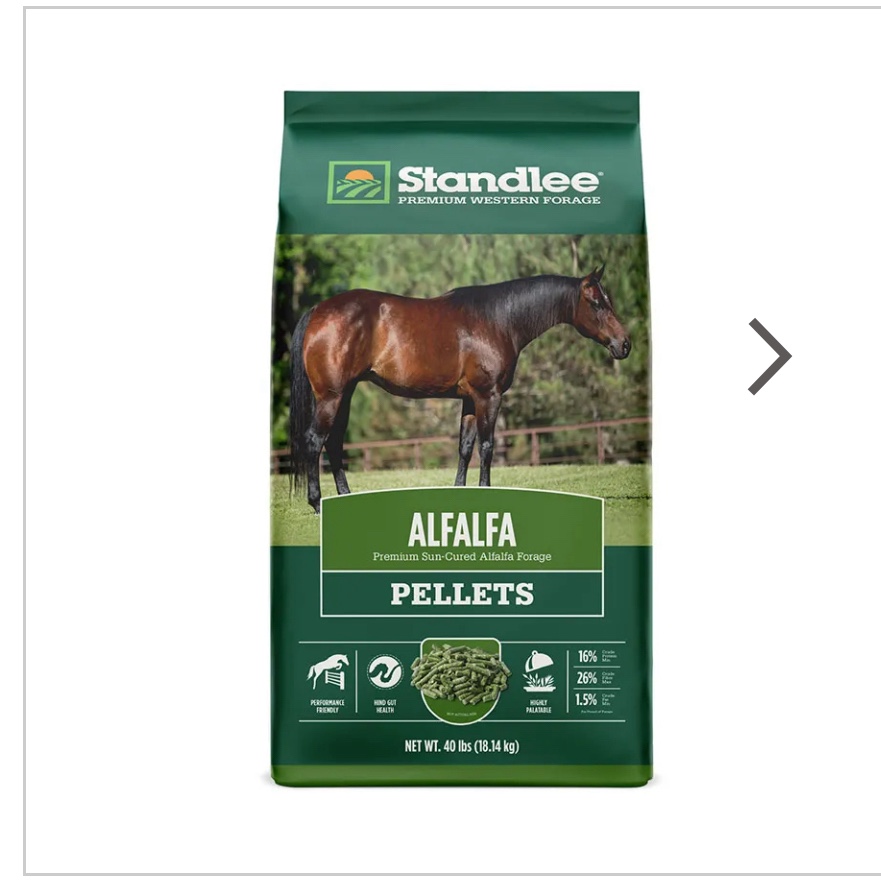
Please never offer pelleted feed or grains free-choice. Always feed in portioned amounts. Only use mineral blocks for kids as they can easily over consume loose(granular) minerals in toxic amounts.


 Aspen Leaf Dairy Goats